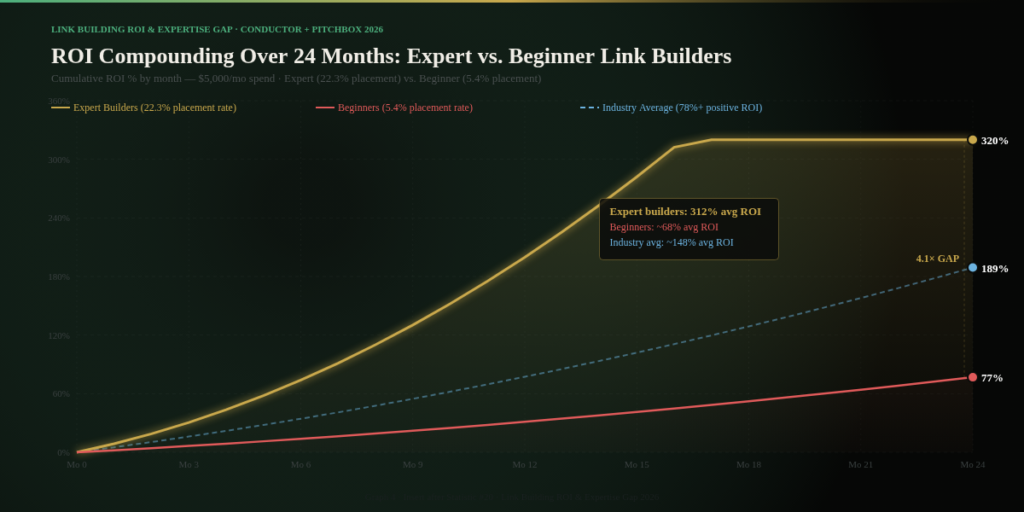
Why Expertise Is Now Non-Negotiable for High Rankings
The Current State of Hosted Platform Authority in 2026
Browse engine algorithms in 2026 have actually moved towards a hyper-focus on entity confirmation and origin tracking. This development has actually changed how practitioners approach user-generated content platforms, typically referred to as Web 2.0 homes. While the low-grade automated blasts of the previous decade have actually lost all efficacy, the tactical use of high-authority hosted domains remains a staple for those building a varied backlink profile. The primary difference now depends on the necessity for manual curation and the combination of real audience engagement signals.
In the existing search environment, a blog on a platform like WordPress or Blogger is no longer simply a placeholder for a link. Search engines now examine these properties based on their internal traffic and the consistency of their publishing schedules. A site that exists just to host a single outbound link is quickly flagged and overlooked. To see lead to 2026, these residential or commercial properties need to function as legitimate satellite websites that offer actual worth to readers within a particular niche. This needs a relocation far from generic material towards highly specialized, data-driven short articles that can survive manual reviews by both platform mediators and algorithmic filters.
Adapting Material Standards for digital marketing Success
The increase of advanced generative detection has made old-school "spinning" strategies outdated. In 2026, content quality on secondary residential or commercial properties need to match the quality of the main cash site. Expert marketers are now utilizing "Human-Plus" workflows, where initial drafts are refined with specific data points, regional insights, and special imagery. This level of detail ensures that the home constructs its own internal authority in time, making any outbound links even more prominent. Dependability in Asia Virtual Solutions Knowledge is more vital than large volume when building these networks.
Topical significance has actually likewise ended up being more granular. It is no longer sufficient to be in the "finance" classification. A successful Web 2.0 property in 2026 requirements to concentrate on a narrow sub-sector, such as "micro-investing for seasonal workers in the region." By narrowing the focus, the property ends up being an authority on that specific entity. Online search engine then recognize the link from this residential or commercial property as a topical recommendation, which brings substantially more weight than a broad, generic link. This technique mirrors the way peer-reviewed journals function, where particular competence is valued over basic knowledge.
The Technical Mechanics of Modern Link Structure in the local market
Crawling patterns have altered considerably. Significant search engines have ended up being more selective about which pages on user-generated platforms they pick to index. They often overlook subdomains that lack external signals or social points out. This suggests the 2026 technique must consist of a "tier two" part, where the Web 2.0 residential or commercial properties themselves get a small number of social signals or links from other trustworthy sources. This validates the property in the eyes of spiders, making sure that the main link is in fact counted towards the target website's authority.
Internal platform activity is another critical factor. Numerous platforms have actually presented their own internal discovery engines. For instance, a residential or commercial property that acquires "likes" or "reblogs" within its own platform (like Tumblr or Medium) sends a strong signal of legitimacy. These internal signals are often utilized by search engines as a proxy for human confirmation. Experts focusing on Asia Virtual Solutions Knowledge regularly engage with other users on the same platform to develop these signals naturally, rather than relying entirely on external SEO methods.
Handling Footprints and Pattern Recognition
The most significant risk in 2026 stays the "footprint"-- a recognizable pattern that reveals a group of websites is managed by the very same person. In the past, footprints were mostly technical, involving IP addresses or hosting suppliers. Today, they are linguistic and behavioral. Utilizing the exact same sentence structures, the exact same image metadata, or the same posting frequency throughout fifty various blogs will lead to a manual charge. Variety is the only defense versus these modern-day detection methods.
Strategic diversity involves varying every possible aspect. This consists of utilizing different platforms, differing the ratio of outgoing links to internal links, and blending the kinds of media utilized in each post. Some homes may be heavy on video material, while others are simply text-based or concentrated on information visualizations. This absence of a clear pattern makes the network appear like a collection of independent voices rather than a coordinated marketing effort. It is likewise common to see links positioned not just in the primary body text, however within "Resources" areas or as citations for specific statistics, which appears more natural to modern algorithms.
The Function of Multi-Media Integration on Hosted Characteristic
Visual and auditory components are no longer optional. In 2026, a text-only article on a Web 2.0 platform is often treated as "thin content." Browse engines expect to see ingrained videos, interactive maps, or at least, original photography with descriptive alt-text. These aspects keep users on the page longer, which improves the "dwell time" metrics that numerous platforms now share with search service providers. If a user spends three minutes checking out a post on a hosted blog site before clicking a link, that connect is seen as highly pertinent.
This combination also assists with "recommendation traffic," which has actually become a primary ranking element. In 2026, a link that never gets clicked deserves far less than one that drives actual users. By developing compelling multi-media content on satellite homes, marketers can drive a steady stream of click-through traffic to the main site. This direct traffic serves as a secondary signal of quality, telling online search engine that the link is not simply an SEO technique, but a bridge that real individuals are actually utilizing to discover info.
Determining Efficiency Beyond Standard Metrics
Domain Authority (DA) and Page Authority (PA) are still gone over, but they have actually been overshadowed by "Entity Trust" and "Topical Flow." These newer metrics determine how closely a site is related to a particular subject and just how much trust it has earned within that community. In the local market, local relevance metrics are particularly crucial. A Web 2.0 property that often mentions local landmarks, occasions, or digital marketing trends in a specific area will provide a much more powerful local SEO increase than a high-DA website with no local context.
Successful professionals in 2026 use specialized tools to track the "neighborhood" of their links. They wish to ensure their sites are being indexed alongside other top quality homes in the very same niche. If a blog is surrounded by spammy pharmaceutical or gambling sites on the exact same platform, its value drops to no no matter its own content quality. Regular audits are necessary to guarantee the home remains in a "great neighborhood" and that the platform's total reputation has actually not moved. If a platform begins to decrease, the strategy involves migrating the content to a newer, more highly regarded host before the old links lose their value.
Future Outlook for User-Generated Authority
Looking towards 2027, the focus will likely move even further toward identity and verification. There are currently whispers of platforms needing biometrically validated accounts to fight the surge of totally self-governing AI networks. This will likely increase the expense and complexity of developing these networks, but it will likewise increase the worth of the links they supply. The barrier to entry is rising, which is typically good news for those going to put in the manual effort required to construct top quality, human-led homes.
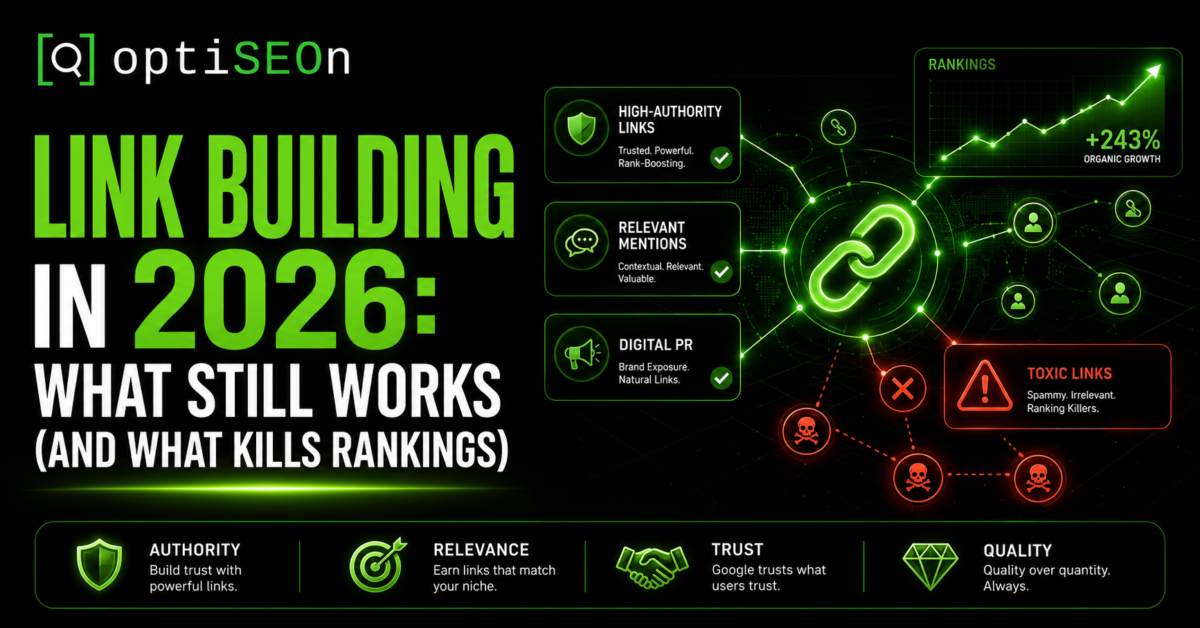
The core philosophy stays the very same: a link is a vote of self-confidence. In 2026, search engines are just much better at identifying whether that vote was bought, coerced, or genuinely made. By dealing with Web 2.0 homes as real possessions instead of disposable tools, online marketers can still use them to build a strong structure for any digital presence. The key is to stop thinking about "link structure" and begin believing about "authority expansion." When a brand's footprint extends naturally across numerous platforms with high-quality content, the online search engine have no option but to take notification.
Investment in these secondary properties need to be seen as a long-lasting technique. It takes months for a new blog site to acquire traction and begin passing substantial authority. Those who try to rush the procedure usually find their properties de-indexed before they ever provide an advantage. Patience, combined with a commitment to high standards, remains the most effective way to navigate the intricacies of SEO in 2026. The platforms may alter, and the algorithms will certainly evolve, however the power of a well-placed, contextual link on a relied on host stays a basic part of the digital discovery procedure.