How Semantic Relevancy Drives Quality Traffic to Hubs

The Existing State of Hosted Platform Authority in 2026
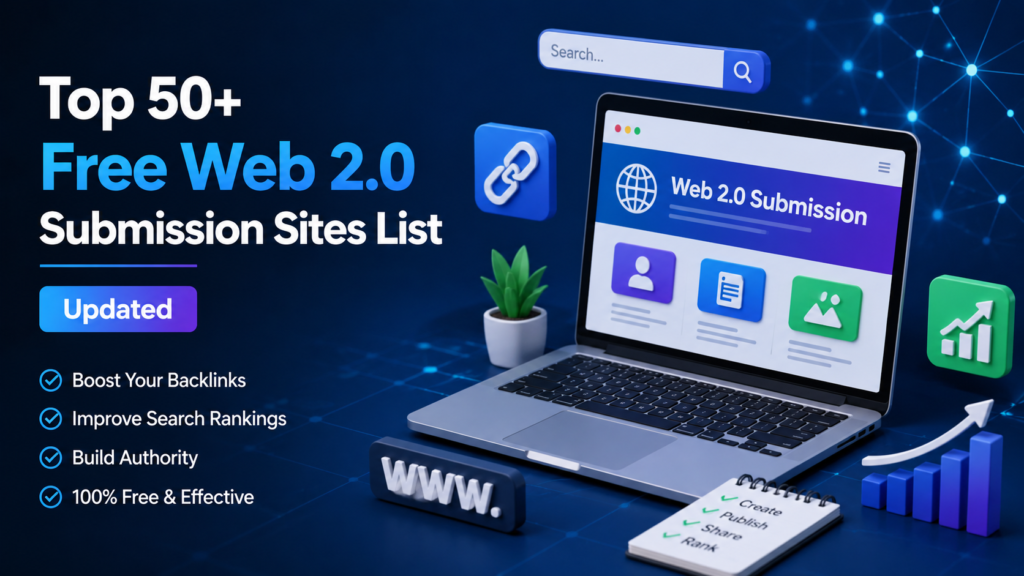
Browse engine algorithms in 2026 have actually moved towards a hyper-focus on entity verification and origin tracking. This evolution has altered how professionals approach user-generated material platforms, frequently described as Web 2.0 residential or commercial properties. While the low-grade automated blasts of the previous decade have actually lost all efficacy, the strategic usage of high-authority hosted domains remains a staple for those developing a diverse backlink profile. The primary distinction now lies in the requirement for manual curation and the combination of real audience engagement signals.
In the current search environment, a blog site on a platform like WordPress or Blog writer is no longer just a placeholder for a link. Browse engines now evaluate these residential or commercial properties based upon their internal traffic and the consistency of their publishing schedules. A site that exists only to host a single outgoing link is quickly flagged and neglected. To see results in 2026, these residential or commercial properties must function as genuine satellite websites that provide real value to readers within a particular niche. This needs a relocation away from generic content toward highly specialized, data-driven posts that can make it through manual evaluations by both platform mediators and algorithmic filters.
Adapting Content Standards for digital marketing Success
The rise of sophisticated generative detection has actually made old-school "spinning" strategies outdated. In 2026, content quality on secondary properties need to match the quality of the primary money website. Professional marketers are now utilizing "Human-Plus" workflows, where preliminary drafts are improved with particular data points, local insights, and unique images. This level of detail guarantees that the home builds its own internal authority over time, making any outbound links even more influential. Reliability in Asia Virtual Solutions is more crucial than sheer volume when building these networks.
Topical significance has likewise ended up being more granular. It is no longer enough to be in the "financing" classification. An effective Web 2.0 residential or commercial property in 2026 needs to concentrate on a narrow sub-sector, such as "micro-investing for seasonal workers in the region." By narrowing the focus, the residential or commercial property becomes an authority on that particular entity. Online search engine then recognize the link from this property as a topical endorsement, which carries considerably more weight than a broad, generic link. This method mirrors the way peer-reviewed journals function, where specific know-how is valued over general knowledge.
The Technical Mechanics of Modern Link Building in the local market
Crawling patterns have changed substantially. Significant search engines have actually ended up being more selective about which pages on user-generated platforms they pick to index. They often neglect subdomains that do not have external signals or social discusses. This means the 2026 strategy should consist of a "tier 2" component, where the Web 2.0 homes themselves receive a little number of social signals or links from other reputable sources. This confirms the home in the eyes of crawlers, ensuring that the primary link is really counted toward the target site's authority.
Internal platform activity is another critical factor. Numerous platforms have actually introduced their own internal discovery engines. A property that acquires "likes" or "reblogs" within its own platform (like Tumblr or Medium) sends a strong signal of authenticity. These internal signals are typically used by search engines as a proxy for human verification. Professionals focusing on Asia Virtual Solutions often engage with other users on the same platform to construct these signals naturally, rather than relying solely on external SEO strategies.
Handling Footprints and Pattern Recognition
The greatest threat in 2026 stays the "footprint"-- an identifiable pattern that reveals a group of websites is managed by the same person. In the past, footprints were mainly technical, including IP addresses or hosting providers. Today, they are linguistic and behavioral. Using the exact same syntax, the very same image metadata, or the exact same posting frequency throughout fifty various blogs will result in a manual penalty. Range is the only defense versus these contemporary detection methods.
Strategic diversification involves varying every possible component. This includes using different platforms, differing the ratio of outgoing links to internal links, and blending the types of media used in each post. Some properties might be heavy on video material, while others are simply text-based or concentrated on data visualizations. This lack of a clear pattern makes the network look like a collection of independent voices instead of a coordinated marketing effort. It is also common to see links positioned not just in the primary body text, but within "Resources" sections or as citations for specific statistics, which appears more natural to modern algorithms.
The Role of Multi-Media Integration on Hosted Properties
Visual and acoustic elements are no longer optional. In 2026, a text-only post on a Web 2.0 platform is often dealt with as "thin material." Online search engine expect to see embedded videos, interactive maps, or at least, initial photography with detailed alt-text. These aspects keep users on the page longer, which enhances the "dwell time" metrics that numerous platforms now show search suppliers. If a user spends three minutes reading a post on a hosted blog site before clicking a link, that connect is viewed as highly pertinent.
This integration also assists with "recommendation traffic," which has ended up being a primary ranking element. In 2026, a link that never ever gets clicked deserves far less than one that drives real users. By developing engaging multi-media content on satellite residential or commercial properties, online marketers can drive a constant stream of click-through traffic to the primary site. This direct traffic acts as a secondary signal of quality, informing search engines that the link is not just an SEO technique, but a bridge that genuine people are really utilizing to find info.
Measuring Performance Beyond Standard Metrics
Domain Authority (DA) and Page Authority (PA) are still gone over, however they have been overshadowed by "Entity Trust" and "Topical Circulation." These newer metrics measure how closely a site is associated with a specific topic and just how much trust it has actually made within that neighborhood. In the local market, local importance metrics are especially important. A Web 2.0 home that regularly points out local landmarks, occasions, or digital marketing trends in a particular area will provide a much more powerful regional SEO increase than a high-DA website without any regional context.

Successful practitioners in 2026 use specialized tools to track the "community" of their links. They wish to ensure their websites are being indexed alongside other premium homes in the same specific niche. If a blog site is surrounded by spammy pharmaceutical or betting sites on the exact same platform, its worth drops to no despite its own content quality. Regular audits are required to ensure the property stays in a "good area" and that the platform's total credibility has actually not shifted. If a platform begins to decrease, the technique includes moving the material to a newer, more reputable host before the old links lose their value.
Future Outlook for User-Generated Authority
Looking towards 2027, the focus will likely move even further toward identity and confirmation. There are currently whispers of platforms needing biometrically confirmed accounts to combat the surge of fully autonomous AI networks. This will likely increase the expense and intricacy of developing these networks, however it will likewise increase the value of the links they offer. The barrier to entry is increasing, which is normally good news for those prepared to put in the manual effort needed to build premium, human-led homes.
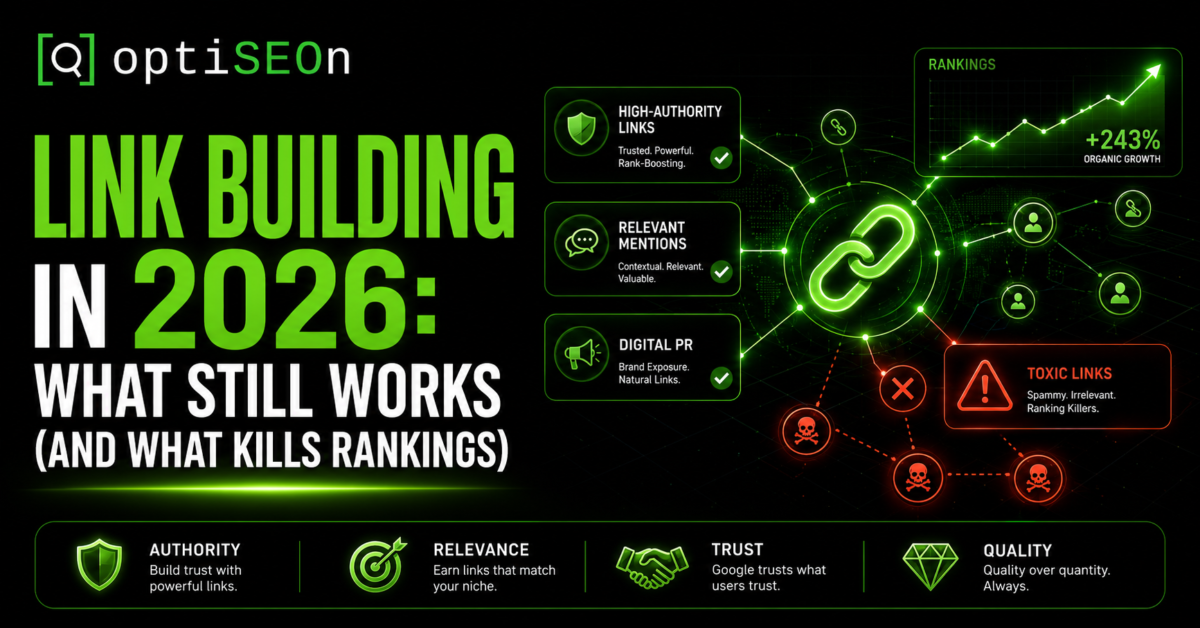
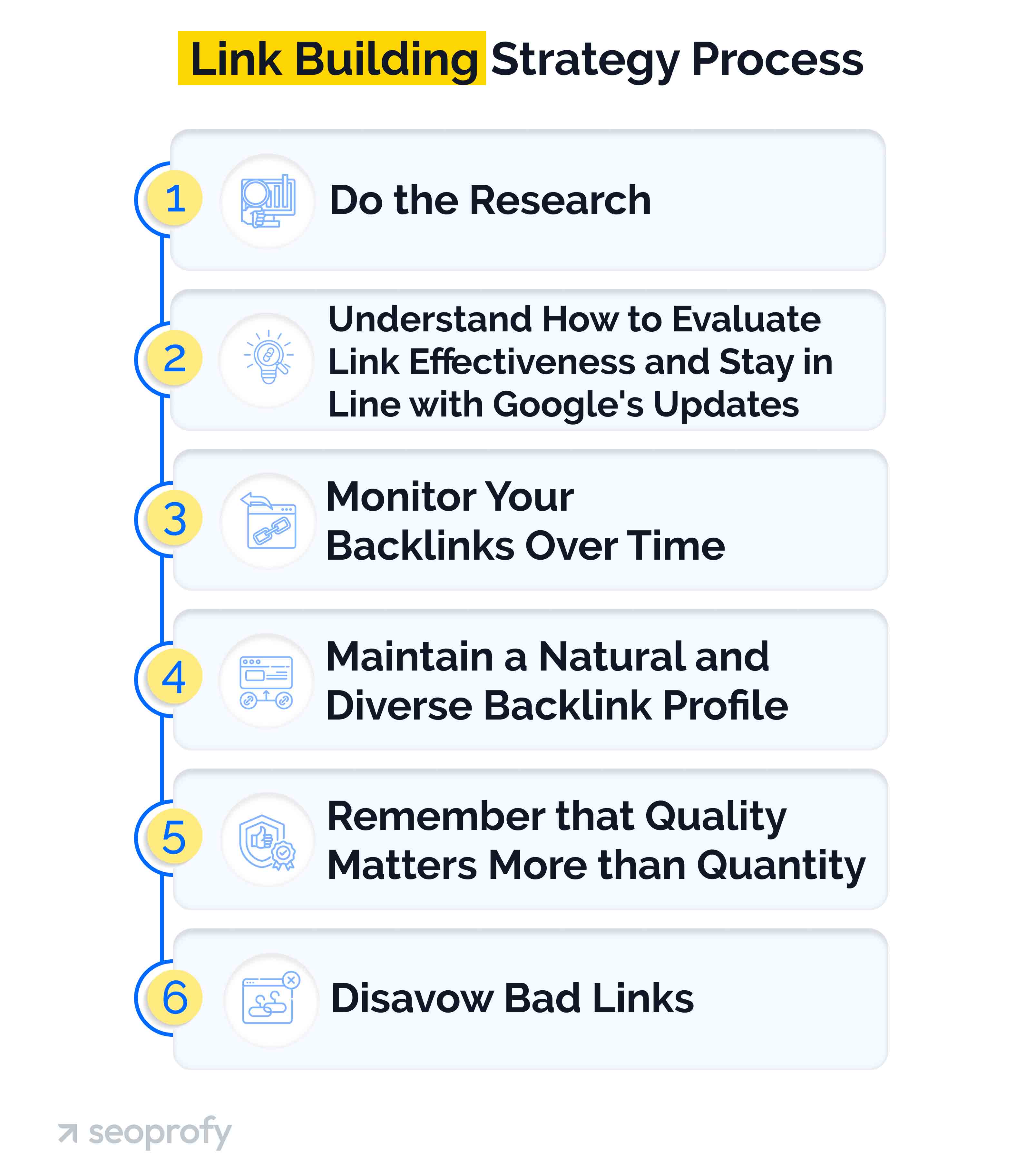
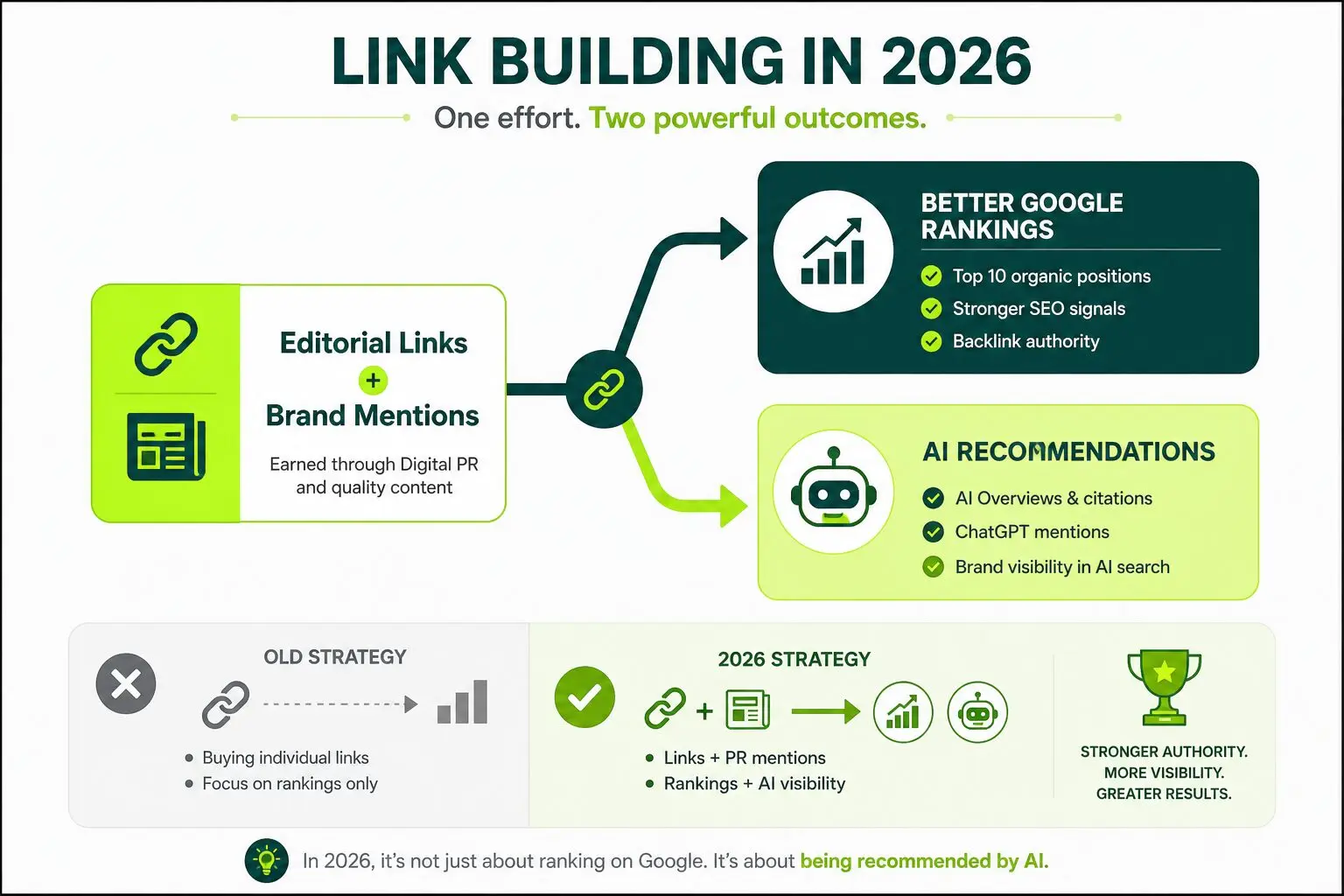
The core philosophy remains the very same: a link is a vote of self-confidence. In 2026, search engines are simply better at determining whether that vote was bought, coerced, or genuinely earned. By dealing with Web 2.0 properties as genuine assets instead of non reusable tools, marketers can still use them to construct a strong structure for any digital presence. The key is to stop considering "link building" and begin believing about "authority growth." When a brand's footprint extends naturally across several platforms with top quality content, the search engines have no option however to take notification.
Investment in these secondary homes ought to be seen as a long-lasting method. It takes months for a brand-new blog site to acquire traction and start passing considerable authority. Those who attempt to rush the process typically discover their residential or commercial properties de-indexed before they ever offer a benefit. Persistence, combined with a dedication to high requirements, stays the most effective way to navigate the intricacies of SEO in 2026. The platforms may change, and the algorithms will certainly develop, but the power of a well-placed, contextual link on a relied on host stays a fundamental part of the digital discovery procedure.