Transitioning to Entity-Based Search Optimization Techniques

Digital Browse Standards and E-E-A-T in 2026
Online search engine algorithms in 2026 have approached a deep understanding of human intent and verifiable identity. The principles of Experience, Expertise, Authoritativeness, and Reliability (E-E-A-T) are no longer simply recommendations for material developers. They are the primary metrics utilized to determine which information reaches the top of search results page. As expert system generates a huge volume of text daily, the capability to compare automatic summaries and high-quality, human-led insights has ended up being the main objective for major search platforms.Experience is the newest addition to the original E-A-T trio, and by 2026, it has ended up being the most substantial differentiator. Search engines now search for evidence that a content developer has first-hand participation with the subject matter. For a service offering specialized solutions in the local market, this indicates showing real-world results instead of just explaining a process. Users wish to see that the person offering recommendations has really carried out the work, faced the obstacles, and accomplished the results they are composing about.Digital exposure depends on how well a brand can prove these 4 pillars. When a website publishes information about professional industry practices, the search engine assesses the track record of the author, the history of the site, and the precision of the data supplied. In 2026, this assessment occurs in real-time, using advanced natural language processing to identify nuances that recommend authentic know-how versus shallow imitation.
The Human Aspect: Why Experience Leads Browse in 2026
The introduction of "Experience" into the search assessment procedure was a response to the increase of generic, AI-synthesized content. In 2026, search engines prioritize material that consists of personal pictures, initial information sets, and anecdotal proof of success. If a consumer is trying to find technical assistance in the region, they are most likely to discover pages that feature case studies and video demonstrations of the service in action.Experience proves that the content is not just a regurgitation of existing web data. It reveals a level of participation that an algorithm can not fake. For instance, a guide on how to manage specific industry operations is more important if it consists of "lessons discovered" or "typical errors" derived from actual tasks. This shift has required business to move away from stock photography and generic descriptions towards more genuine, transparent storytelling.Focusing on Asia Virtual Solutions has actually become a standard practice for brand names that want to preserve their rankings. By documenting their everyday activities and sharing unique point of views on market trends, these businesses build a moat around their content that AI can not quickly cross. The goal is to offer a level of information that just a human participant might offer, pleasing both the user's curiosity and the search engine's requirements for original experience.
Expertise and Authoritativeness in a Crowded Digital Market
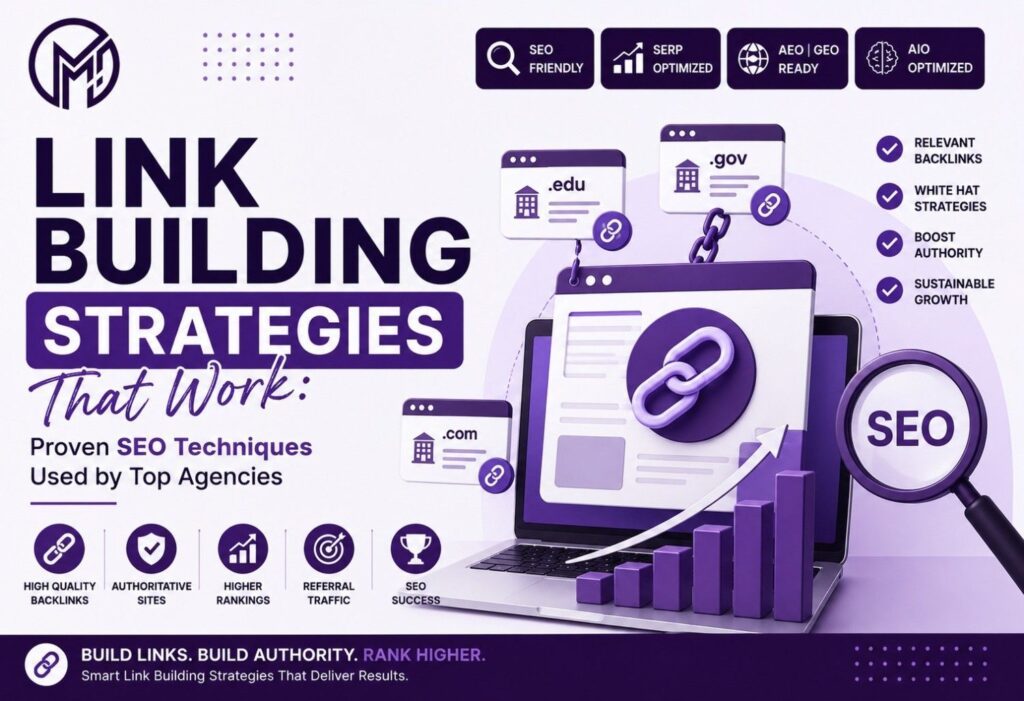
While experience is about doing, knowledge has to do with understanding. In 2026, search engines use digital signatures and "Understanding Graphs" to track the credentials of material developers. A specialist in local industry standards is anticipated to have a history of adding to the field. This may consist of speaking at occasions in the surrounding area, publishing white documents, or being cited by other experts.Authoritativeness is the external validation of that knowledge. It is frequently determined by the quality of websites that link back to a piece of material. If an organization is understood for specialized consulting, its authority grows when market associations, news outlets, and academic institutions reference its work. In 2026, the quality of these references matters more than the quantity. A single mention from an acknowledged leader in the national market brings more weight than dozens of links from unknown blogs.Maintaining authoritativeness requires a consistent existence. A brand can not simply release one excellent short article and anticipate to remain at the top. It must regularly contribute fresh insights that reflect the existing state of the industry. Asia Virtual Solutions Web 2.0 SEO Strategy has become a reliable way to show this continuous commitment to the field. By offering deep-dive analysis into complicated topics, a site cements its position as a go-to resource for both users and online search engine.
Dependability: One Of The Most Vital Pillar for Industry Success
Trust is the foundation of the E-E-A-T structure. Without trust, know-how and experience do not matter. In 2026, online search engine search for particular signals to figure out if a website is safe and trustworthy. These signals include clear contact details, transparent privacy policies, and protected payment processing. For sites that go over "Your Cash or Your Life" (YMYL) topics-- such as health, financing, or legal guidance-- the requirements for trust are even higher.Accuracy is a significant element of trust. In 2026, search algorithms can cross-reference claims made in a post with a database of recognized facts. If a website provides misleading information about professional regulations in the local area, its rankings will suffer. Trust is likewise built through user feedback. Verified reviews and ratings are weighed heavily, as they provide a public record of a business's reliability and consumer satisfaction.A trustworthy site also demonstrates stability by mentioning its sources. If an article discusses a figure about the development of local business sectors, it should connect to the initial study. This openness reveals that business is not simply making claims to get clicks, but is instead devoted to supplying the most precise and helpful details possible to its audience in the region.
Adapting Content Technique for Local Browse in Major Hubs
Local search has actually become highly individualized in 2026. When a user searches for a local specialist, the outcomes are heavily affected by the E-E-A-T signals particular to that geographic location. A company that is physically situated in the local market and has a history of serving that community will have a natural advantage. This benefit must be supported by content that shows regional knowledge.This consists of mentioning regional landmarks, talking about local regulations, and getting involved in local occasions. A guide for residents of the area that attends to specific regional difficulties-- like weather patterns or regional laws-- will rank higher than a generic nationwide guide. This is due to the fact that search engines acknowledge that the local content supplies a much better "Experience" for the user.Local trust is also constructed through neighborhood engagement. When a company is associated with the local neighborhood, it typically gets points out in regional news and on community boards. These local backlinks are vital for E-E-A-T in a regional context. They show to search engines that business is a genuine part of the neighborhood and is relied on by its next-door neighbors.
Technical Requirements for Supporting E-E-A-T in 2026
While material is the most noticeable part of E-E-A-T, the technical side of a website offers the essential structure. In 2026, making use of schema markup has become necessary for anyone serious about ranking. Schema is a type of code that assists online search engine understand the context of a page. It can be used to determine the author of a short article, the physical location of a service, and the specific information of a service like specialized industry work. Page speed and mobile responsiveness likewise play a role in trustworthiness. A website that is sluggish or challenging to navigate on a phone in 2026 is viewed as less dependable. Users anticipate a fast, clean experience, and online search engine punish sites that fail to fulfill these standard technical standards. Security is another non-negotiable aspect. If a site does not have modern-day file encryption or shows indications of being jeopardized, it will be eliminated from search results almost immediately to secure users.Finally, the method a website handles data personal privacy contributes to its trust rating. With the stringent guidelines in place by 2026, sites need to be specific about how they gather and utilize visitor information. This openness is not just a legal requirement but a ranking factor. A site that respects user personal privacy is considered as more authoritative and credible than one that utilizes aggressive or surprise tracking techniques.
The Future of Digital Authority and Browse Rankings
As we move even more into 2026, the competition for attention will just increase. Brand names that depend on faster ways or low-quality material will find it more difficult to stay visible. The winners in this environment are those who dedicate to the concepts of E-E-A-T. By focusing on genuine experience, verifiable competence, recognized authority, and deep dependability, a service can construct a long lasting existence in any competitive market. The combination of voice and visual search has also altered how E-E-A-T is measured. Browse engines can now analyze the tone of a video or the clearness of an image to help determine experience and know-how. This implies that a well-produced video describing professional techniques can be simply as efficient as a long-form post. The format of the content matters less than the quality of the info and the track record of the creator.In 2026, digital success is not about "gaming the system" but about being a genuine resource. The shift toward E-E-A-T reflects a wider relocation towards a more human-centric web. For those offering specialized expertise, this is an opportunity to stand out by being genuine, helpful, and reputable. Those who prioritize the needs of the user and the integrity of their details will continue to discover success in the ever-changing world of search.