Unlocking Domain Authority via Sophisticated Subject Clusters
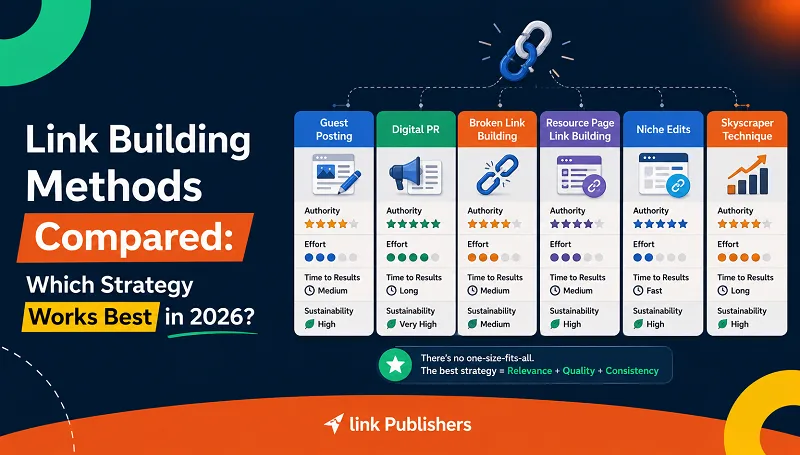
The Transition from Keyword Matching to Conceptual Comprehending
Browse innovation has moved previous easy character matching. By 2026, the capability of an online search engine to comprehend the underlying significance of an inquiry has actually ended up being the main factor for visibility. In previous years, search engines relied greatly on specific terms to classify content. Today, the focus has moved towards how well a piece of content addresses the intent behind those terms. This shift toward semantic relevancy means that online search engine now treat words as ideas instead of simply strings of text.Modern algorithms take a look at the relationship between different topics. If a user searches for info regarding specialized solutions in metropolitan areas, the engine does not just search for those particular words. It assesses whether the material supplies a comprehensive response that aligns with the user's present scenario, previous behavior, and geographical location. This conceptual understanding allows for more accurate outcomes, even when the user does not utilize the exact phrasing found on a webpage.Success in this environment needs a concentrate on depth and context. It is no longer enough to discuss a service multiple times. Instead, content must show an understanding of the subtopics and related concerns that naturally occur around a primary subject. This modification has fundamentally transformed how digital material is prepared and created throughout regional markets.
The Mechanics of Entity-Based Search in 2026
At the core of semantic relevancy is the concept of entities. An entity is a distinct item or concept, such as an individual, place, or particular service. Online search engine now build intricate maps of these entities, called knowledge graphs. These charts permit the engine to know that a specific professional offering is connected to specific benefits, risks, and regional guidelines in the local district. When an online search engine processes a page, it identifies the entities discussed and figures out how they relate to each other. Content that establishes clear connections between pertinent entities is seen as more reliable. A page talking about Asia Virtual Solutions will be analyzed for its mention of associated concepts, historic data, and present market requirements. If these connections are sensible and deep, the page gains relevancy for a wide selection of conceptual searches.This shift has actually reduced the significance of conventional keyword density. In 2026, duplicating an expression over and over actually hurts a page since it fails to provide the range of entities required to develop a conceptual map. Instead, high-ranking pages use varied terms and address the topic from several angles, which signifies to the algorithm that the material is an abundant source of details.
Contextual Signals and User Intent
Intent is the "why" behind a search. In 2026, search engines have become adept at distinguishing between informational intent, where a user wants to find out, and transactional intent, where a user is prepared to purchase. Semantic relevance guarantees that the ideal type of material stands for the right intent. A user looking for local assistance in their current region might be at different phases of the decision-making process. Contextual signals such as time of day, device type, and even previous searches play a function. If somebody searches for a topic while near a physical place associated with that topic, the engine prioritizes semantic relevancy associated to that particular location. This makes making use of tokens like local centers essential for preserving presence in localized searches. The engine comprehends that the requirements of a user in one area may differ from those in another, even if the search question is identical.
The Effect of Multimodal Discovery
The way people search has altered, moving beyond typing into a box. Voice search and visual search are now typical, and both rely greatly on semantic relevance. When an individual asks a voice assistant a question, they tend to utilize natural, conversational language. These queries are longer and more complex than typed keywords. To supply a response, the assistant must comprehend the intent of the entire sentence.Visual search functions. When a user takes a picture of an object or a place in their surroundings, the engine recognizes the entities in the image and supplies results based on the conceptual significance of those entities. Content that is enhanced for semantic relevance is more likely to be pulled into these multimodal outcomes because it offers the clear, entity-based definitions that these systems require.Many businesses are finding that Asia Virtual Solutions Web 2.0 Backlinks assists them bridge the gap in between various search techniques. By focusing on principles rather than specific words, they can catch traffic from voice, text, and image searches at the same time. This versatility is a hallmark of the 2026 search environment.
The Function of Structured Data and Schema
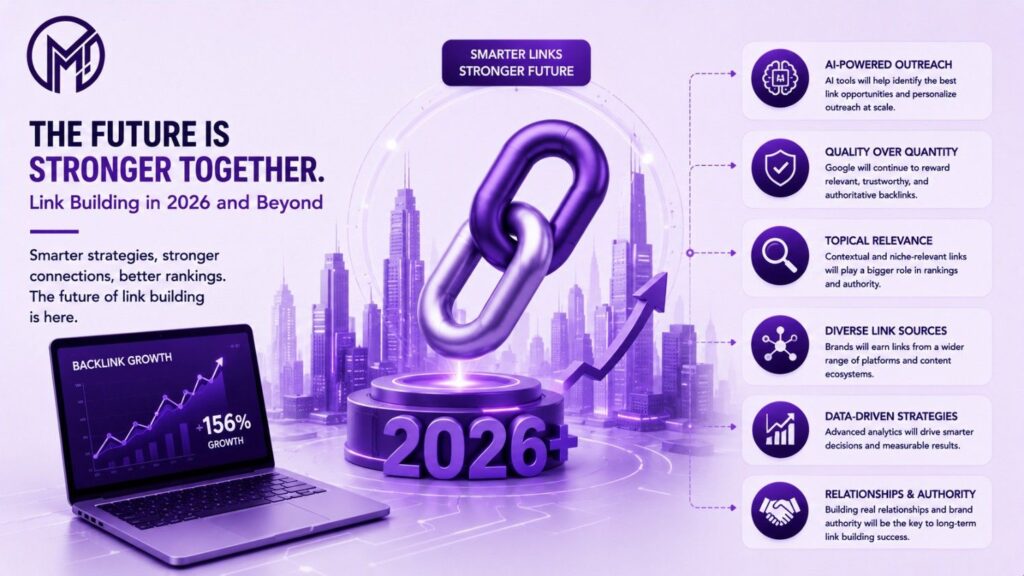
While algorithms have actually progressed at understanding natural language, structured information stays an important tool for enhancing semantic significance. Schema markup serves as a translator, clearly informing search engines what different parts of a page represent. By utilizing schema to define an entity, such as an industry offering, a website provides a clear signal that the engine can utilize to populate understanding panels and abundant results.In the surrounding area, localized schema assists online search engine connect a company to specific geographic coordinates and service locations. This accuracy decreases the obscurity that typically pesters keyword-only strategies. When the engine knows precisely what a page has to do with and who it is for, it can with confidence put that page in front of the most pertinent users.
Assessing Content Quality Through Engagement
In 2026, the relationship in between user behavior and semantic relevance is closer than ever. Online search engine keep an eye on how users connect with the results they are given. If a user clicks on a result but quickly returns to the search page, it recommends that the page did not satisfy the semantic intent of the question. On the other hand, long dwell times and deep website interaction signal that the material was extremely relevant.This feedback loop means that significance is not almost the words on the page but also about the user experience. Content needs to be simple to check out and address the user's needs quickly. High-quality information about professional topics in local hubs should exist in a manner that motivates the user to stay. This is why content depth is so important. A shallow page might match a keyword, however it will rarely please a concept-based search.
- Focus on subjects instead of private phrases to build authority.
- Use natural language that mirrors how people speak in 2026.
- Integrate associated entities to supply a complete image of the topic.
- Optimize for local intent utilizing identifiers like specific neighborhoods.
The Decline of Conventional SEO Tactics
Many tactics that worked years back have actually become outdated. Personal blog networks, keyword stuffing, and thin material offer no worth in a world controlled by semantic relevancy. These approaches fail since they do not build the conceptual depth that contemporary algorithms need. These older methods typically set off quality filters that can get rid of a website from the index entirely.The current focus is on constructing a reputation as a trusted source of details. This includes consistent publication of premium product that addresses the altering requirements of the audience in the region. Online search engine now take a look at the overall history of a domain to identify its expertise in a specific location. A site that has regularly supplied pertinent answers about its industry will find it simpler to rank for brand-new, related subjects.
Future-Proofing for 2027 and Beyond
As search continues to progress, the significance of semantic relevance will just grow. We are approaching a future where online search engine may forecast what a user needs before they even finish a question. This predictive search counts on a deep understanding of the user's practices and the semantic connections in between different parts of their lives.To stay competitive, companies should prioritize the development of material that is both deep and versatile. By focusing on the core concepts of their industry and the particular requirements of their local audience in the local community, they can guarantee they remain visible despite how the technical aspects of search change. The objective is to be the most appropriate answer to a user's issue, not just the very best match for their words.Maintaining a concentrate on clarity and intent will distinguish the leaders in any given territory. In 2026, the digital environment rewards those who comprehend that search is a conversation between a human and a maker, where the maker is finally starting to understand what the human truly wants.