Why Experience Is one of the most Crucial E-E-A-T Element
The Shift Toward Digital Property in 2026
Search algorithms in 2026 prioritize tangible digital property over transient article or thin informational pages. This advancement marks a departure from the high-frequency publishing designs of the past years. Success now depends upon how well an organization places its main digital properties within the more comprehensive information network. Instead of chasing after trending keywords, professionals are focusing on the positioning of interactive tools, proprietary data sets, and localized knowledge hubs that stay relevant for years instead of weeks.The present environment rewards stability. When an organization builds a customized calculator or a data-rich portal specifically for specialized industry needs, they create an anchor that online search engine acknowledge as a long-term referral point. These assets serve as pillars for long-term presence. Unlike basic articles, these tools provide duplicated value to users, which signals to online search engine that the page should have an irreversible area at the top of the results. This shift toward "asset-based SEO" needs a various frame of mind regarding website architecture and resource allocation.
Structural Placement of Interactive Tools
High-ranking pages in 2026 nearly constantly feature some type of practical energy. Whether it is a prices estimator for professional projects or a technical comparison tool, these assets must be put where they can be quickly discovered by both users and spiders. Deep-linking to these tools from high-traffic areas of a site helps disperse authority. It is no longer enough to have a "Resources" tab hidden in the footer. These tools should be integrated into the main user flow.Placement strategy also includes considering how AI-driven search bots communicate with practical code. Modern search engines do not simply read text. They perform scripts and assess the utility of the user interface. Properties that simplify intricate decision-making procedures for locals in the local area tend to outperform generic rivals. By focusing on regional utility, a company can declare a specific niche in the region that remains resistant to the fluctuations of global search trends.
The Worth of Asia Virtual Solutions Web 2.0 Strategy Video in Modern Architectures.
Developing a digital presence needs more than just a collection of pages. Asia Virtual Solutions Web 2.0 Strategy Video supplies the needed data points for AI models to crawl successfully, making sure that the brand is acknowledged as an authority in its field. When search engines encounter well-structured possessions, they classify the website as a primary source. This classification is the foundation of long-term rankings. Information integrity is a major factor here. In 2026, online search engine are progressively conscious the accuracy and freshness of functional possessions. A tool that supplies out-of-date information will quickly lose its standing. Therefore, the positioning of these possessions should consist of a prepare for periodic updates. Keeping the technical health of these pages ensures they continue to work as trustworthy entry points for brand-new visitors searching for specific industry solutions.
Geographical Relevance and Regional Data Nodes
Hyper-local relevance has ended up being a dominant ranking aspect. Online search engine now look for "data nodes" that reflect the specific truths of the surrounding market. This may include localized rates data, local compliance info, or specialized guides for the local community. By embedding these local specifics into a high-value property, a service can dominate regional search outcomes without counting on repeated location-based landing pages.Strategic positioning in this context suggests making sure that the property is optimized for regional intent. If a user in the region look for help with a particular task, the search engine wants to offer a result that feels native to that place. Properties that utilize localized terms and address local pain points achieve a level of "stickiness" that generic material can not match. This approach builds a moat around the brand name's local search presence.
Incorporating Solutions for High-Intent Queries
High-intent queries are those where the user is all set to take a particular action. In 2026, these inquiries are often responded to by AI summaries that pull info from trusted properties. To appear in these summaries, the possession must be structured to offer clear, concise answers to intricate questions. Concentrating on industry-specific topics permits a site to end up being the "knowledge base" for that subject.The positioning of these responses within the asset is vital. Information needs to follow a rational hierarchy, with the most crucial data points appearing in a format that devices can easily parse. This frequently implies utilizing structured information schemas that go beyond basic tags. By increasing the functionality of a tool or the specifics of a dataset, a company makes sure that its professional offering shows up precisely when the user needs it most.
Maintaining Long-Term Authority with Asia Virtual Solutions Tutorials
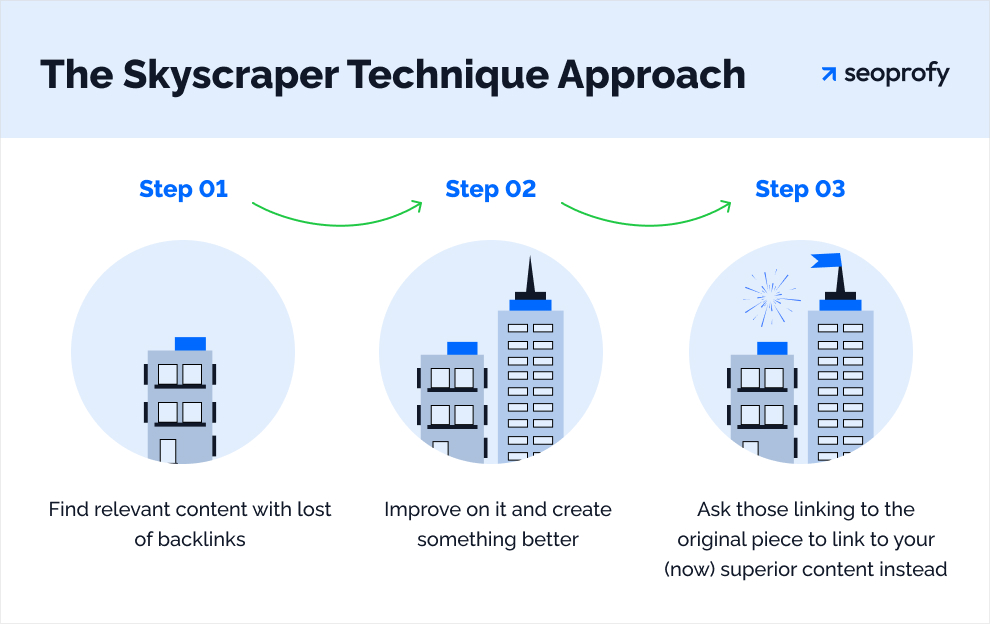
The long-lasting practicality of a digital strategy frequently hinges on the quality of its underlying components. Financial investment in Asia Virtual Solutions Tutorials represents a shift toward long-term value, moving far from the "churn and burn" mindset of early 2020s digital marketing. When a possession is constructed to last, it collects backlinks and user signals over numerous years, making it nearly difficult for more recent, thinner material to displace it.Authority is constructed through consistency. In the local market, track record is typically reflected in how regularly a website is cited by other regional entities. When a service hosts a genuinely beneficial asset, other sites in the region are most likely to connect to it as a recommendation. This natural link growth is the most powerful signal for long-term rankings. It develops a self-sufficient cycle where the possession's high ranking results in more exposure, which leads to more links, even more strengthening its position.
Technical Infrastructure for Modern Enterprises
The speed and ease of access of digital assets are non-negotiable in 2026. A heavy interactive tool that takes too long to load will be penalized by search engines, despite its energy. Correct positioning involves hosting assets on a technical infrastructure that can manage spikes in traffic while maintaining low latency. This is specifically crucial for users in the regional area who might be accessing the site from mobile phones with varying connection speeds.Optimization ought to concentrate on the core performance of the property. If the primary worth of a page is a data visualization tool for complex data, that tool needs to be the very first thing that loads. Getting rid of unneeded scripts and visual mess ensures that the search engine sees the possession as a lean, effective resource. This technical discipline is a hallmark of professional-grade SEO in the existing age.
Future-Proofing Through Property Diversity
Relying on a single type of content is a danger. Diversification includes positioning different types of properties across the domain to record various types of search intent. A mix of long-form reports, interactive calculators, and localized directories for the region produces a broad footprint. This range ensures that if one kind of search behavior modifications, the remainder of the site stays protected.The objective is to produce a digital environment that feels necessary to the market in the surrounding area. When an organization ends up being the source of record for its primary niche, it achieves a level of security that keyword optimization alone can not supply. Strategic asset placement is about more than simply rankings. It is about building a permanent structure in the digital market that will continue to offer value well beyond 2026.